Boat Building Magic – The Origami Method
The Origami Method of boat building is truly revolutionizing the industry. With its unique folding technique, it offers many benefits over traditional metal boat construction methods. The Origami Method produces fair hull shapes, rapid construction, and minimizes welding, resulting in lower costs and reduced stress distortion.
This innovative method can also be applied to various flexible sheet materials, such as plastic, paper, and wood, making it versatile and adaptable to different materials.
The Origami Method starts with a conventional design created using 3D computer technology. The design is then transformed into precise folding patterns, which are verified through marine performance prediction software. This eliminates the need for expensive and complicated frames or jigs, and the hulls and framing are welded on the flat before being folded to shape.
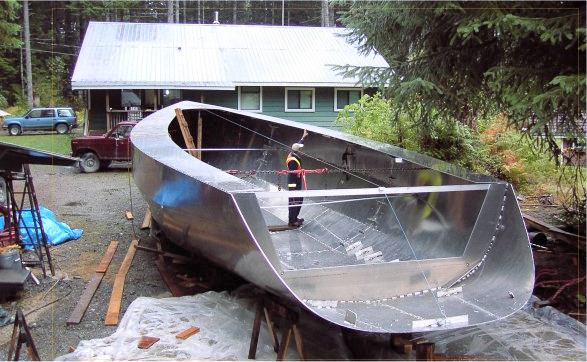
The Origami Method is easy to master, even for a backyard builder, and does not require any specialized equipment. This makes it ideal for both amateur and professional builders.
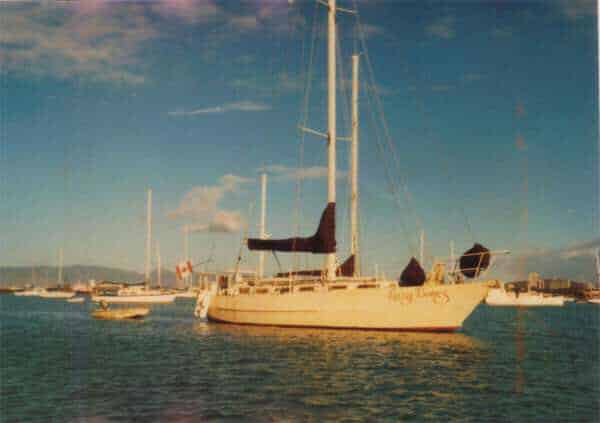
Many of the origami designs were even created on the high seas aboard the yacht Lazy Bones, showing just how versatile this method can be. Whether you’re looking for a new sailing adventure or simply want to build a boat, the Origami Method is a must-try.
So if you’re looking to build a boat, don’t miss out on the benefits of the Origami Method. With its fair hull shapes, rapid construction, and minimal welding, it’s a game-changer in the boat-building industry. Try it for yourself and experience the magic of origami boat building.
See for yourself the simplicity of Origami Magic
For those looking for a sailing adventure aboard the yacht Lazy Bones. See: